
Good air should not be just an add-on, but a basic requirement.
Five major technological advantages

Active disinfection
Using patented technology, it releases purifying agents to cover the entire space, actively decomposes pollutants and inactivates viruses, blocking transmission in its early stages and preventing the airborne spread of diseases, achieving a thorough disinfection effect.
Human-machine coexistence
The purifying agents are harmless to the human body and can be used simultaneously with people to achieve instant sterilization and disinfection, maintain a safe indoor environment, and are suitable for use in spaces where people are active for extended periods without the need for additional protection.
No wind interference
It achieves diffused sterilization through Brownian motion in the air, without the need for a strong fan, and does not accelerate indoor airflow or virus transmission. The purification process is quiet and does not affect indoor comfort.
No consumables or maintenance required
The technology requires no consumables and is maintenance-free, with a lifespan of up to 25,000 hours, power consumption of less than 10 watts, energy saving and environmental protection, low operating costs, and maintains high efficiency even after long-term use.
All-round purification
In addition to sterilization and disinfection, it can degrade harmful substances such as formaldehyde, benzene, and TVOC, remove odors and suspended particles, and the superoxide factor can break chemical bonds and efficiently decompose volatile organic compounds.

Enterprise needs
Air quality is invisible, but it affects everything in your business.
Medical institutions

HEPA filters are passive filters and cannot cover all blind spots in a space.


Air quality changes rapidly in high-traffic areas such as waiting areas and examination rooms.


Air quality testing requires strict and stable operation.


High-end air conditioning systems consume a lot of energy and are complex to maintain.


Lack of sustainable, low-energy, and safe solutions for human-machine coexistence.

Long-term care facilities

Enclosed air-conditioned environments can easily lead to cross-infection due to airflow.


Residents have weak immune systems, increasing the risk of airborne pathogens.


Cleaning cannot immediately remove airborne microorganisms.


Excrement, moisture, and musty odors negatively impact the perceived quality of care.


Traditional air purification equipment requires numerous consumables and has high maintenance costs.

Educational institutions

Classrooms are enclosed and crowded, resulting in stuffy, high-particulate air.


Crowded groups easily spread respiratory diseases.


Residual odors affect concentration.


Air quality changes rapidly, and equipment responds slowly.


High energy consumption and frequent replacement of consumables increase maintenance costs.

Restaurant / Central Kitchen

Oil fumes and food odors often linger in the dining area.


Air conditioning and ventilation systems struggle to remove fine odor molecules.


Odors negatively impact the dining experience and customer return rates.


Oil fume particles pose a potential risk to employees' respiratory health.


Traditional methods struggle to effectively balance odor control and energy conservation.

Commercial office space

Centralized air conditioning leads to uneven local air quality


The air is stuffy and heavy, and odors easily spread throughout the entire space.


Employees are prone to fatigue, headaches, and allergies, which affects productivity.


Existing equipment has limited effectiveness and lacks immediate response capability.


In response to ESG requirements, air purification lacks effective auxiliary solutions.

Residential space

Poor ventilation leads to the accumulation of indoor pollutants.


Cooking fumes, humidity, and pet odors negatively impact quality of life.


Household members (children, the elderly) are more sensitive to air quality.


Filter-based air purifiers require frequent replacement of consumables and have high operating costs.


Limited purification options cannot be safely operated for extended periods.

Military-grade technology

功能/特性 ECOHEAL 光合電子樹 他牌家用空氣過濾器
Purification method Active photonic ion technology that actively breaks down pollutants Passive filters with limited effectiveness
Sterilization performance Highly effective sterilization, including the ability to break down viruses on surfaces Basic filtration that cannot actively eliminate pathogens
Maintenance costs No consumables, no cleaning required, and virtually zero maintenance costs Requires regular filter replacement, creating additional consumables costs
Air quality performance Produces clean air by eliminating odors, killing germs, and reducing airborne particles Some dust filtration, but ineffective against odors and microorganisms
Application specifications Military-grade technology already adopted by hospitals, long-term care facilities, restaurants, and more For everyday household use only
Market position Patented technology, the only one of its kind on the market Many brands available, with inconsistent quality
Power efficiency Ultra-low power consumption of 7–10W, costing less than NT$50 per month in electricity Generally high power consumption, with significant electricity costs
Certifications and evidence Backed by multiple international test reports, clinical evidence, and safety certifications Many claims, little evidence; most lack comprehensive certifications
Photosynthetic ion technology

Biological pollution
Damage | Viruses, bacteria

The purifying factor can impact and destroy bacterial cell membranes


Disintegrate viral DNA/RNA coats

Organic pollutants
Decomposition of air pollution and odor factors

Purifying agents break down chemical chains through impact.


It is reduced to CO2 and H2O


Let man-made organic matter return to nature

suspended particles
Deposition | PM2.5

Photosynthetic ions carry an electric charge


It can attract and accumulate PM2.5 through the interaction of electric charge.


Finally, large particles are formed.


It will not be inhaled; instead, it will sink directly to the ground.

Professional verification

Professional verification is our minimum standard for quality.

HUAK TESTING
Certificate of Conformity
NASA (National Aeronautics and Space Administration)
Brand Authorization Certificate
SGS
Test report on PM2.5 removal capacity
SGS
Antibacterial efficacy test report
SGS
Formaldehyde Removal Capacity Test Report
SGS
Ozone test report
Guangwei Measurement
Air purification efficiency test report
Guangwei Measurement
Ozone & TVOC Concentration & UV Intensity & PM10 Analysis and Testing Report
Chang Gung University Emerging Viral Infection Research Center
Enterovirus 71 & Influenza A Virus Test Report
Siddes Biomedical Technology
Report on anti-SARS-CoV-2 pseudovirus activity test
On-site testing

Using an internationally standard sampling machine, sampling is performed for 5 minutes per 15 liters.


Impact sampling places the sampled culture dishes in a colony incubator and incubates them at a constant temperature of 30 degrees Celsius and humidity of 60% for 48 hours.


Empirical evidence of the disappearance of bacteria, mold, and viruses in spaces protected by ECOHEAL air purification equipment. "Professional PHIT™ technology" achieves a sterilization rate of up to 99%.


New Taipei OO Public Senior Day Care Center Installation Case

Taipei OO Hotel Installation Case

Taipei OOO Postpartum Care Center Installation Case

New Taipei OO Public Senior Day Care Center Installation Case

Taipei OO Hospital Installation Case

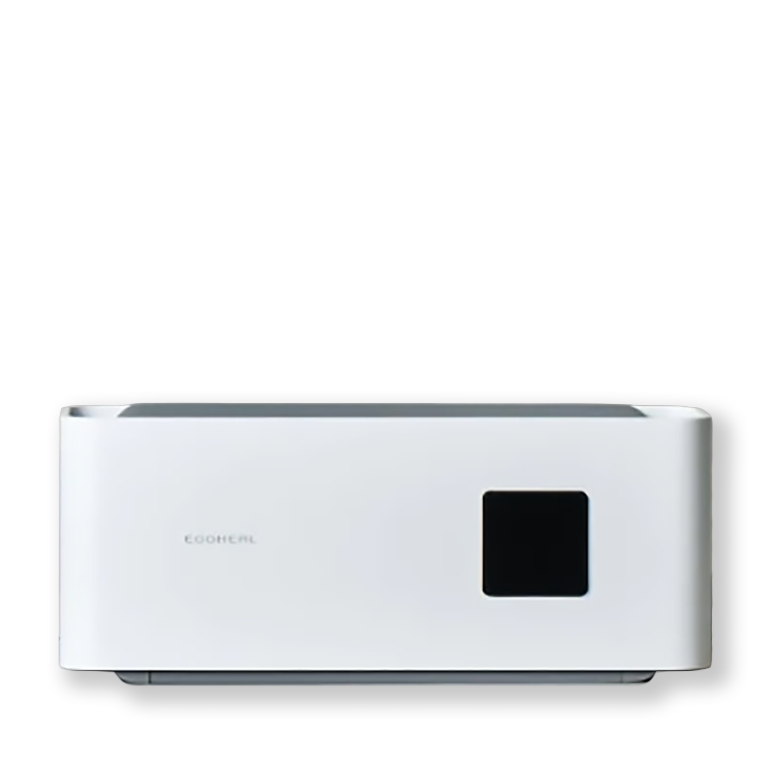
Product Overview

Product Name

vehicle type

Product Model

ARC+

Coverage

Net Weight

90 g

Product Dimensions

L77 × W86 × H51 mm

Product Name

Portable

Product Model

ARC II

Coverage

1–3 坪

Net Weight

125 g

Product Dimensions

L95 × W95 × H32 mm

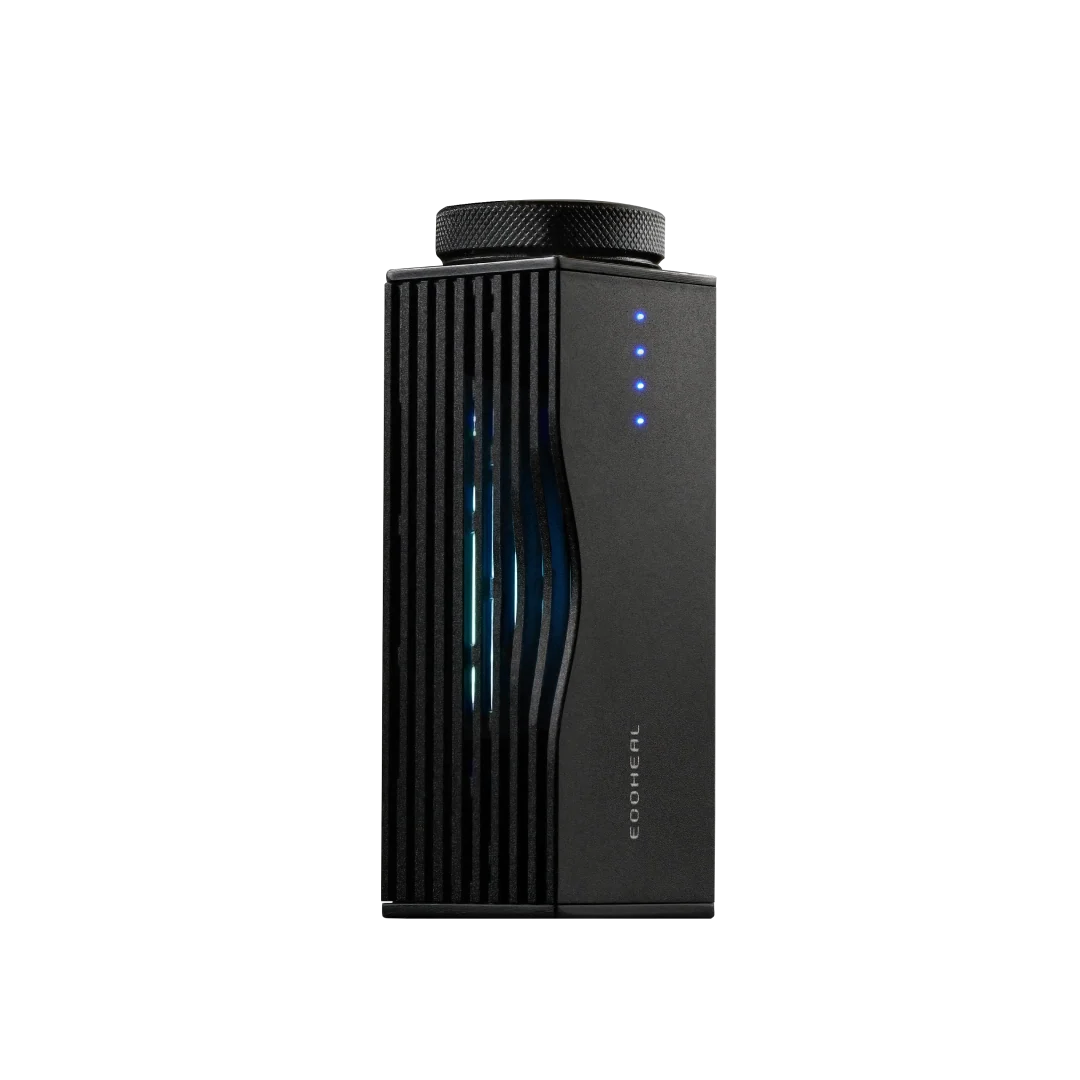
Product Name

Home use

Product Model

BM6+

Coverage

7–15 坪

Net Weight

750 g

Product Dimensions

L82 × W132 × H250 mm

Product Name

Public type

Product Model

PRO 9+

Coverage

10–40 坪

Net Weight

3.5 kg

Product Dimensions

L450 × W165 × H82.5 mm

Product Name

Commercial

Product Model

PRO 17

Coverage

50–100 坪

Net Weight

7.6 kg

Product Dimensions

L220 × W110 × H600 mm

Product Name

Engineering

Product Model

IAQ9+

Coverage

10–40 坪

Net Weight

—

Product Dimensions

L320 × W81 × H47 mm (including base plate)

Product Name

Photon deodorizer

Product Model

Elev

Coverage

15–20 坪

Net Weight

2 kg

Product Dimensions

L313 × W105 × H123 mm

Product Name

Photon deodorizer

Product Model

KNOT

Coverage

small enclosed space

Net Weight

200 g

Product Dimensions

L110 × W37 × H37 mm
Frequently Asked Questions

  • Q01|Please briefly explain the PHIT™ photosynthetic ion purification technology used in the Photosynthetic Electronic Tree.

    PHIT™ technology brings nature’s transformation mechanism indoors by simulating the interaction of sunlight, air, and moisture to continuously produce purification factors—like a “little sun indoors”—for all-day, low-energy air purification.
  • Q02|If there are pets at home, will the unit easily collect fur and dander?

    This product features a desktop design and is recommended for placement on a desk or other elevated surface to enhance air circulation. Compared with floor-standing units, it is less likely to draw in lint and pet dander from the floor, effectively avoiding related issues.
  • Q03|Why doesn’t photosynthetic ionization create a “black-wall effect”?

    Photosynthetic ionization produces only mildly charged purification factors. These cause airborne particles to clump together and settle naturally under gravity, without adhering to walls or the human body. By contrast, high-voltage negative-ion technology readily generates high static charges, causing pollutants to stick to walls and creating a black-wall effect.
  • Q04|Why doesn’t EcoHeal+’s broadband ultraviolet light damage the skin? How does it differ from commercially available PHI technology?

    Most commercially available UV lamps use an open, direct-exposure design that may harm people. EcoHeal+ uses a patented reflective chamber structure to effectively prevent energy leakage; testing shows exposure is only one-tenth of the safety limit. PHIT™ technology originated from the development of semiconductor-grade light-emitting components and is mass-produced to proprietary specifications, ensuring stability and consistency beyond what standard commercial components can provide.
  • Q05|Are there any special placement restrictions for desktop use?

    Before placing the unit, clean lint and dust from the surface and make sure there are no obstructions around it. Blocking the air outlet or reaction zone will affect purification performance.
  • Q06|How do purification factors affect household pets?

    It effectively breaks down pet odors and inhibits the growth of bacteria on the skin’s surface, reducing the risk of skin disease while also helping prevent the cross-transmission of viruses and bacteria between pets and people.
  • Q07|Will operating the unit for a long time in an enclosed space affect people or cause harmful buildup?

    Typical residential and commercial spaces are semi-enclosed environments with some basic air movement. The substances produced by the PHIT™ reaction are the same as natural products found in forests; they do not accumulate, have no side effects, and are safe for people.
  • Q08|What is a photosynthetic reaction, and how is it related to natural phenomena in forests?

    The photosynthetic reaction is based on the principle of photosynthesis in trees. PHIT™ photohydration ion technology simulates the natural interaction of light, water, and oxygen, converting oxygen into highly effective air-purifying factors for continuous, natural, low-energy indoor air purification.
  • Q09|Will long-term use cause carbon dioxide or other gases to accumulate?

    The amount of carbon dioxide produced after the photosynthetic reaction is extremely low, so it does not accumulate. The system also does not use a high-voltage reaction and therefore does not generate other harmful gaseous by-products.
  • Q10|Will the drier air in an air-conditioned environment affect purification performance?

    Standard air-conditioning systems are designed to maintain humidity at around 60–65%, which is sufficient to support the photosynthetic reaction without affecting purification performance.
  • Q11|What are “purification factors,” and how can their effects on people and pathogens be distinguished?

    Purification factors are mildly charged ions generated by the photosynthetic reaction. They actively break down the structure of viruses and bacteria and inhibit their reproduction. They do not react with the human body and can also reduce irritation from airborne pollutants through the respiratory tract.
  • Q12|Are particles that settle to the ground dangerous?

    Settled material is ordinary dust and can be cleaned up normally, with no safety concerns. The particles that truly threaten health are airborne particles such as PM2.5 and PM10, which can enter the body through inhalation and circulate internally.
  • Q13|In an enclosed space, will hydrogen peroxide or other gases continue to accumulate? Is it necessary to turn the unit off or open the windows periodically?

    The Photosynthetic Electronic Tree produces hydrogen peroxide, not ozone. As a natural product, it can operate continuously for extended periods. Opening windows is recommended only to replenish oxygen and moisture and maintain optimal reaction conditions. Choosing the correct model prevents concentration buildup.
  • Q14|Will performance decline if windows are not opened for a long time to replenish oxygen and moisture?

    The main purpose of opening windows is basic ventilation—to remove carbon dioxide and bring in fresh air—which is inherently beneficial to human health. Any increase in purification factors is an additional benefit.
  • Q15|For formaldehyde pollution in a 10-ping space, approximately how long does it take to remove it effectively?

    Air purification involves multiple variables, making the exact time difficult to quantify. However, testing shows that PHIT™ technology is highly effective at breaking down formaldehyde. Because formaldehyde has a half-life of 15–20 years, long-term continuous use is recommended to reduce health risks.
  • Q16|If I already have an air purifier at home, why do I still need a Photosynthetic Electronic Tree?

    Traditional air purifiers are limited by airflow and filter efficiency, so they cannot comprehensively treat the air throughout a space. The Photosynthetic Electronic Tree provides 3D, 360-degree purification with no dead zones, making up for the limitations of filter-based equipment.
  • Q17|If it is used at the same time as another brand of air purifier, will the purification factors be filtered out?

    No. Purification factors can actually help break down and inhibit pollutants attached to the filter, thereby extending the filter’s service life.
  • Q18|Can it help with dust mites? Will it affect human skin?

    Photosynthetic ionization reduces the microbial spores that dust mite larvae depend on for survival, thereby reducing dust mite populations. It also purifies the surface of human skin, providing a dual benefit while remaining safe and harmless to people.
  • Q19|If a person carries the novel coronavirus on their surface, how long will it take to eliminate it after they enter a space operating 24 hours a day?

    Purification factors act immediately upon contact with a virus. However, this product is not a medical device and cannot treat viruses that have already entered the human body.
  • Q20|How long does it take to purify virus-containing air exhaled by an asymptomatic infected person?

    When airborne viruses come into contact with purification factors, a destructive reaction occurs immediately, effectively reducing the risk of cross-infection.
  • Q21|What are the advantages of the Photosynthetic Electronic Tree in highly polluted environments such as during dust storms?

    The Photosynthetic Electronic Tree provides 3D settling purification throughout the entire space, causing airborne particles to clump together and settle naturally, reducing the risk of inhalation and making up for the limitations of HEPA filtration alone.
  • Q22|Can portable UV products cause genetic damage to living organisms?

    Portable units use reflective and shielding designs to prevent energy leakage. The visible light emitted is low-energy blue light and is harmless to people. However, to protect eye health, prolonged direct viewing of the light source from unusual angles is not recommended.
Customer testimonials

Article sharing

By Market America WebCenters • January 30, 2024
This is a subtitle for your new post Write about something you know. If you don’t know much about a specific topic, invite an expert to write about it. Having a variety of authors in your blog is a great way to keep visitors engaged. You know your audience better than anyone else, so keep them in mind as you write your blog posts. Write about things they care about. If you have a company Facebook page that gets lots of comments, you can look here to find topics to write about. Write about something you know. If you don’t know much about a specific topic, invite an expert to write about it. Having a variety of authors in your blog is a great way to keep visitors engaged. You know your audience better than anyone else, so keep them in mind as you write your blog posts. Write about things they care about. If you have a company Facebook page that gets lots of comments, you can look here to find topics to write about.
By Market America WebCenters • January 30, 2024
Write about something you know. If you don’t know much about a specific topic that will interest your readers, invite an expert to write about it.

© Copyright 2026 ECOHEAL